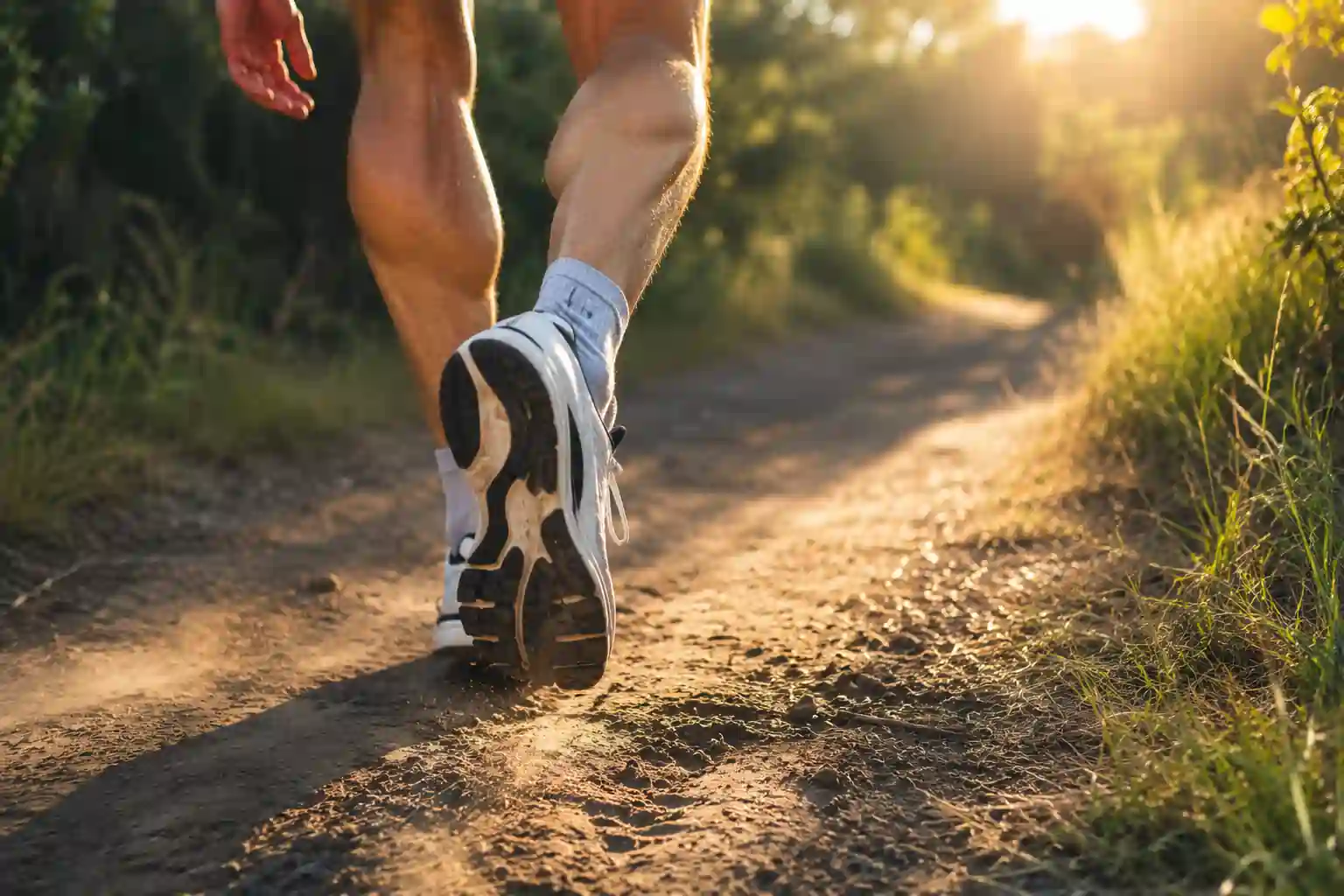
You are midway through a run or a cycling session, feeling good, and then it starts. A strange tingling in your toes. Your fingers feel like they have fallen asleep. You shake your hand, wiggle your foot, and carry on, but the question lingers: is this normal, or is something wrong?
The good news is that numbness during exercise is more common than most people realize, and in most cases, the cause is completely harmless. But “most cases” is not “all cases,” and knowing the difference matters, especially when your body is already under physical stress.
Here is what is actually happening, why it occurs, and the specific signs that tell you it is time to stop and pay attention.
Key Takeaways:
- Numbness in fingers and toes during exercise is almost always the result of your body redirecting blood flow, nerve compression from posture or tight gear, overbreathing, or cold temperature. It is your body doing its job, imperfectly, but not dangerously.
- Adjust your shoes, your grip, your breathing, and your posture. Most people who do this never experience it again.
- But if the numbness is one-sided, persists after rest, or arrives with any cardiovascular symptom, do not push through it. Get it checked. Your body sends signals constantly, the skill is knowing which ones are noise and which ones are worth listening to.
Your Body Is Making a Decision You Did Not Ask For
When you exercise, your body redirects blood flow to the muscles that are working hardest. Blood vessels in areas considered less urgent, like your hands and feet, narrow down to push more oxygen-rich blood toward your legs, heart, and lungs.
This is completely normal physiology. But when blood flow to the fingers or toes drops significantly, nerve endings in those areas get less oxygen and begin sending unusual signals. That pins-and-needles sensation? Those are your nerves responding to reduced circulation in that spot.
According to the Cleveland Clinic, most cases of numbness are not serious and are typically linked to nerve issues or temporary reduction in blood flow, both of which are common during physical activity.
Think of it this way: your body is rational under pressure. It prioritizes the engine over the accessories.
The Most Common Reasons It Happens
Your Shoes or Grip Are Too Tight
- This is the single most overlooked cause of foot numbness during running or cycling. When you lace up snugly at rest, your feet swell during activity, sometimes significantly. That extra pressure compresses the nerves running across the top of your foot, cutting off sensation to your toes.
- As noted by NE Foot & Ankle, this condition is called paresthesia, a numbness or prickling sensation caused by a pinched nerve or reduced blood flow, and it is one of the most common complaints during workouts. It usually disappears once you stop and change position.
- The same applies to cycling gloves that are too tight, or gripping handlebars with unnecessary tension.
Quick fix: Relace your shoes using the loop-lace technique (leaving the top eyelet free), or try going half a size up in your workout shoes if foot numbness is a regular problem.
Your Posture Is Compressing a Nerve
- On a bike, the way you lean forward places pressure on the ulnar nerve, the nerve that runs along the outside of your wrist and into your pinky and ring finger. Cyclists call this “handlebar palsy,” and it is common on longer rides.
- Runners experience it differently. If your lower back rounds while running, it can put pressure on the lumbar nerves that branch down into your feet, causing numbness that seems to come from nowhere.
Quick fix: On a bike, change hand positions regularly and check that your saddle height is not pushing your weight entirely forward. For runners, engage your core lightly and focus on keeping your hips level throughout your stride.
You Are Overbreathing Without Realizing It
This one surprises most people.
- When you breathe too fast during intense effort, your body expels carbon dioxide faster than it should. According to Healthline, low CO2 levels cause blood vessels to narrow, including in the extremities, which leads to that tingling sensation in the fingers and toes. This is called exercise-induced hyperventilation, and it often goes unnoticed because rapid breathing feels like a natural part of hard effort.
- The tingling from this cause tends to appear in both hands and both feet simultaneously, and sometimes around the lips as well. That pattern is a useful clue.
Quick fix: Consciously slow your exhale. Try breathing in for 2 counts and out for 3. This small adjustment often resolves the tingling within a few minutes.
You Are Exercising in the Cold
- Cold air causes blood vessels near the skin’s surface to contract sharply, keeping warmth close to your core. Your fingers and toes, being furthest from the heart, are the first to lose circulation. Add exercise-related blood redistribution on top of that, and numbness becomes almost inevitable without proper insulation.
- In some people, cold exposure during exercise can also trigger a condition called Raynaud’s syndrome, where small blood vessels in the fingers and toes tighten more than they should. The Cleveland Clinic describes this as skin turning white, then blue, followed by numbness and cold in the affected area, usually resolving within 15 minutes once you warm up.
Quick fix: Thin thermal gloves and moisture-wicking socks make a real difference. Do not wait until you feel cold to put them on, by then, the process has already started.
When It Is Not Something to Dismiss
Most exercise-related numbness passes within a few minutes of stopping. But there are situations where it signals something worth checking properly.
See a doctor if:
- The numbness is only on one side of your body, one hand or one foot, not both
- It does not go away within 10 to 15 minutes after you stop exercising
- It comes with chest tightness, dizziness, or shortness of breath that feels out of proportion to your effort
- You notice actual weakness in the limb, not just tingling, but difficulty gripping or walking
- It has been happening consistently for weeks and has never been evaluated
- You have diabetes, as nerve damage from blood sugar fluctuations (peripheral neuropathy) can worsen significantly during physical activity
One-sided numbness during exercise is the detail that matters most. Bilateral tingling, both hands, both feet, during hard effort is usually mechanical or circulatory, as described above. Numbness limited to just one side can occasionally indicate a vascular or neurological issue that needs proper evaluation. Do not exercise through it.
A Simple Checklist Before Your Next Workout
Before assuming something is seriously wrong, run through this quickly:
- Are your shoes laced the same tightness mid-workout as when you first tied them, or tighter from swelling?
- Are you gripping your equipment harder than you need to?
- When did you last check your exercise posture or bike fit?
- Are you breathing in a controlled rhythm, or gasping shallowly under exertion?
- Is the weather cold and are your hands and feet exposed?
Fixing one or two of these often makes the numbness disappear entirely within a workout or two, no medical visit required.
Medical Disclaimer: This article is for informational purposes only and does not constitute medical advice. If you experience persistent, one-sided, or severe symptoms during exercise, please consult a qualified healthcare professional.
For more miraculous natural remedies and daily wellness secrets, visit our Home Page and join our community of health seekers!