
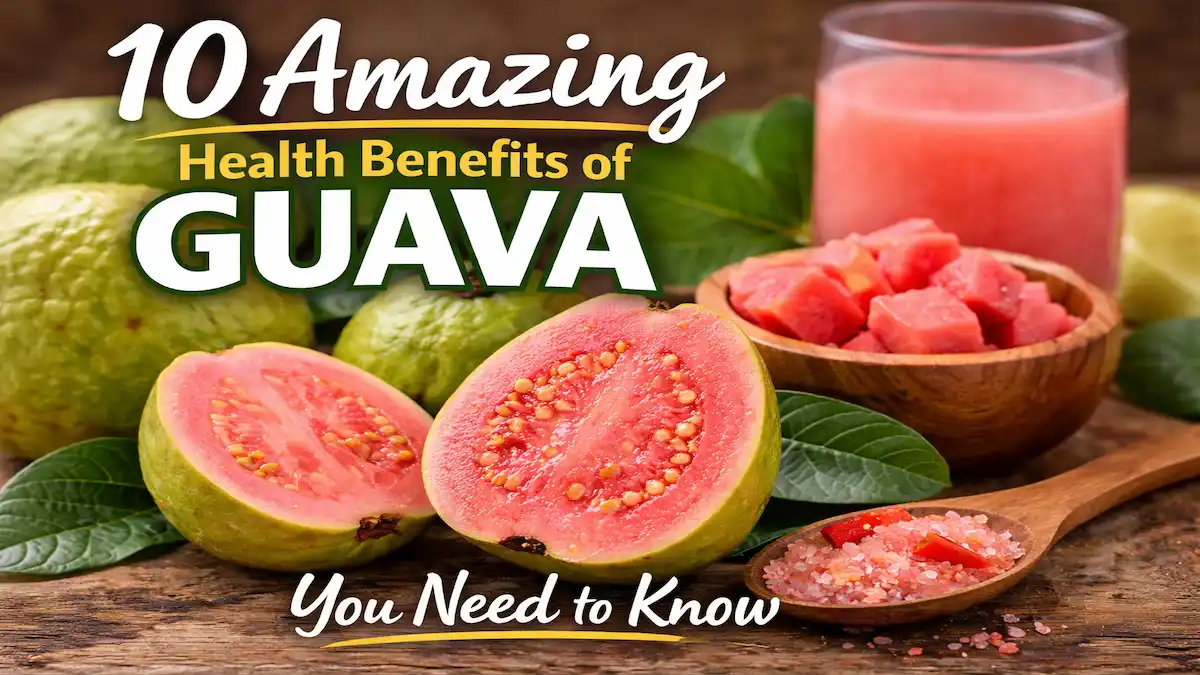
Guava is one of those fruits people grow up eating without thinking too much about it. It’s cheap, easy to find, and often eaten casually with a pinch of salt or chili. But once you slow down and actually look at what guava does inside the body, it quietly earns a place among the most impressive everyday fruits. Not because it’s trendy or exotic, but because science keeps backing up what traditional diets figured out long ago.
This isn’t about miracle cures or exaggerated claims. It’s about how a simple fruit, eaten regularly, can support health in surprisingly meaningful ways.
1. A Vitamin C Powerhouse That Actually Matters
Most people associate vitamin C with oranges. Guava, however, often contains significantly more vitamin C than citrus fruits – sometimes over twice as much in a single serving. This isn’t just a trivia fact. Vitamin C plays a direct role in immune defense, wound healing, iron absorption, and collagen production.
What makes guava especially useful is that its vitamin C comes packaged with fiber and antioxidants, which helps slow digestion and improve absorption. According to the National Institutes of Health, consistent dietary vitamin C intake supports immune function and reduces oxidative stress over time—not overnight, but steadily and reliably. Guava fits that role almost effortlessly.
Studies have proved that consuming guava strengthens immunity and the body fights infections easily.
Research on guava and blood sugar control
2. Supports Digestive Health Without Being Harsh
Guava has a reputation in some cultures for being “heavy,” but nutritionally, it’s one of the more gut-friendly fruits when eaten ripe. Its fiber content helps regulate bowel movements, supports beneficial gut bacteria, and reduces constipation without acting like a laxative.
There’s also a long history of guava leaf use in digestive remedies. Modern research has shown that compounds in guava leaves may help reduce diarrhea and calm intestinal inflammation. Studies cited by the World Health Organization have noted guava leaf extract’s antimicrobial properties, particularly against common gut pathogens. While the fruit and the leaves work differently, both point to guava’s overall digestive benefits.

3. Helps Regulate Blood Sugar Levels
Sweet fruits often get blamed for blood sugar spikes, but guava behaves differently. Its low glycemic load, combined with high fiber, slows glucose absorption into the bloodstream. This makes it a safer fruit option for people with insulin resistance or type 2 diabetes when eaten in reasonable portions.
Research published in medical nutrition journals has found that guava leaf extracts may improve blood sugar control by inhibiting certain enzymes involved in carbohydrate digestion. The fruit itself doesn’t replace medication, but as part of a balanced diet, it supports more stable energy levels instead of sugar highs and crashes.
4. Heart Health Benefits That Go Beyond Cholesterol
Guava’s heart benefits aren’t limited to one nutrient. Potassium helps regulate blood pressure, soluble fiber assists in lowering LDL cholesterol, and antioxidants reduce inflammation in blood vessels. Together, these effects create a protective environment for the cardiovascular system.
Several observational studies have linked regular fruit intake – especially fiber-rich fruits like guava – to lower risk of heart disease. The Centers for Disease Control and Prevention consistently emphasizes dietary fiber and potassium as key nutrients for heart health, both of which guava provides naturally.
5. Supports Healthy Weight Management
Guava is filling without being calorie-dense. One medium guava provides fiber, water, and micronutrients while remaining relatively low in calories. This combination promotes satiety, helping people feel full longer without overeating.
Unlike ultra-processed “diet foods,” guava doesn’t manipulate appetite through artificial sweeteners or additives. It simply works with the body’s natural hunger signals. That’s why it fits well into sustainable weight management – not quick fixes, but habits that last.
6. Skin Health That Starts From Within
Skin health isn’t only about creams and serums. Nutrients like vitamin C, vitamin A, and antioxidants play a foundational role in collagen production and protection against environmental damage. Guava contains all three.

Vitamin C supports collagen synthesis, while antioxidants help neutralize free radicals caused by sun exposure and pollution. Dermatological research published in peer-reviewed journals consistently links antioxidant-rich diets to improved skin elasticity and slower visible aging. Guava doesn’t promise flawless skin – but it supports the biology behind healthier skin.
7. May Support Brain Function and Mental Well-Being
Guava contains vitamin B6 and magnesium, both involved in neurotransmitter function. These nutrients help regulate mood, nerve signaling, and cognitive processes. While guava isn’t a treatment for mental health conditions, nutrient deficiencies can quietly worsen fatigue, irritability, and brain fog.
Emerging research on dietary patterns shows that whole fruits rich in micronutrients contribute to better long-term cognitive health. The brain, like every other organ, responds best to consistent nourishment rather than isolated supplements.
8. Strengthens Immunity Beyond Just Vitamin C
Immunity isn’t a switch you flip during flu season – it’s a system that needs daily support. Guava provides vitamin C, zinc-supporting compounds, and antioxidants that work together to enhance immune resilience.
The World Health Organization emphasizes that immune health depends on overall nutritional status, not megadoses of single vitamins. Guava fits naturally into this approach by offering multiple immune-supporting nutrients in one food.
9. Anti-Inflammatory and Antioxidant Properties
Chronic inflammation is now linked to conditions ranging from arthritis to heart disease. Guava contains flavonoids, carotenoids, and polyphenols that help reduce oxidative stress and inflammatory markers in the body.
Scientific reviews in nutrition and pharmacology journals have highlighted guava’s antioxidant activity, particularly from its pink and red varieties. These compounds don’t act dramatically, but over time, they contribute to lower cellular damage and better metabolic health.
10. A Practical, Affordable Superfruit
One of guava’s biggest advantages isn’t biochemical – it’s practical. It’s affordable, widely available in many regions, and doesn’t require special preparation. You can eat it raw, add it to salads, blend it into smoothies, or cook it lightly without destroying its nutrients.
Public health nutrition guidelines often emphasize accessibility. A “superfood” that people can’t afford or find doesn’t improve real-world health. Guava succeeds precisely because it’s ordinary enough to eat regularly.
A Simple Takeaway That Actually Works
Guava doesn’t need hype. Its benefits come from consistency, not extremes. Eating guava a few times a week won’t transform your health overnight, but over months and years, it supports digestion, immunity, heart health, and overall nutritional balance in a way that feels natural.
If you’re looking to improve your diet without chasing trends, guava is a quiet, reliable place to start—one that science, tradition, and common sense all seem to agree on.
Bonus: Other Nutrients in Guava
Guava is not just a source of vitamins and fiber; it also contains other nutrients:
- Iron: for blood circulation
- Calcium: for making bones strong
- Folate: for healthy baby development during pregnancy
- Phosphorus & Magnesium: for muscles and energy
- Eat a fresh guava for breakfast
- Make guava salad with cucumber and carrots
- Try guava smoothie
- Drink guava leaf tea for extra health benefits
How to Add Guava in Your Diet
- Have fresh guava slices for morning breakfast.
- Make a guava smoothie and have it after the gym.
- Guava salad with cucumber & carrot is a light lunch option.
- Guava leaf tea as an evening detox drink.
FAQs on Health Benefits of Guava
Q1: Can I eat guava daily?
Ans: Yes, eating one or two guavas daily is safe and healthy.
Q2: Can diabetic patients eat guava?
Ans: Yes, guava regulates blood sugar. Just don’t overdo it.
Q3: Is guava good for skin?
Ans: Yes, vitamin C in guava increases collagen production and reduces wrinkles.
Q4: Which is better—ripe or raw guava?
Ans: Both are beneficial. Ripe guava gives a sweet taste; raw guava is best for digestion and sugar control.
If you want to build healthier phone habits and improve sleep, you can find more practical health tips on the Live Fit Flow homepage.





Guava is very beneficial for health..
Thanks! Absolutely — guava is such a superfruit, full of vitamins and antioxidants. Do you eat it regularly or prefer it as juice