1. Introduction
In today’s busy life, women’s health has become a serious issue. Many diseases related to hormonal imbalance are coming to the fore; the most common and rapidly growing condition is Polycystic Ovary Syndrome (PCOS)
Nowadays, 1 out of every 5 women is being affected by this disease. The syndrome not only affects hormones but also has a profound effect on fertility, weight, skin, and mental health.
In this comprehensive guide, we will delve into the core of Polycystic Ovary Syndrome and understand in depth about its causes, symptoms, tests, treatment, and home remedies.
2. What is Polycystic Ovary Syndrome?
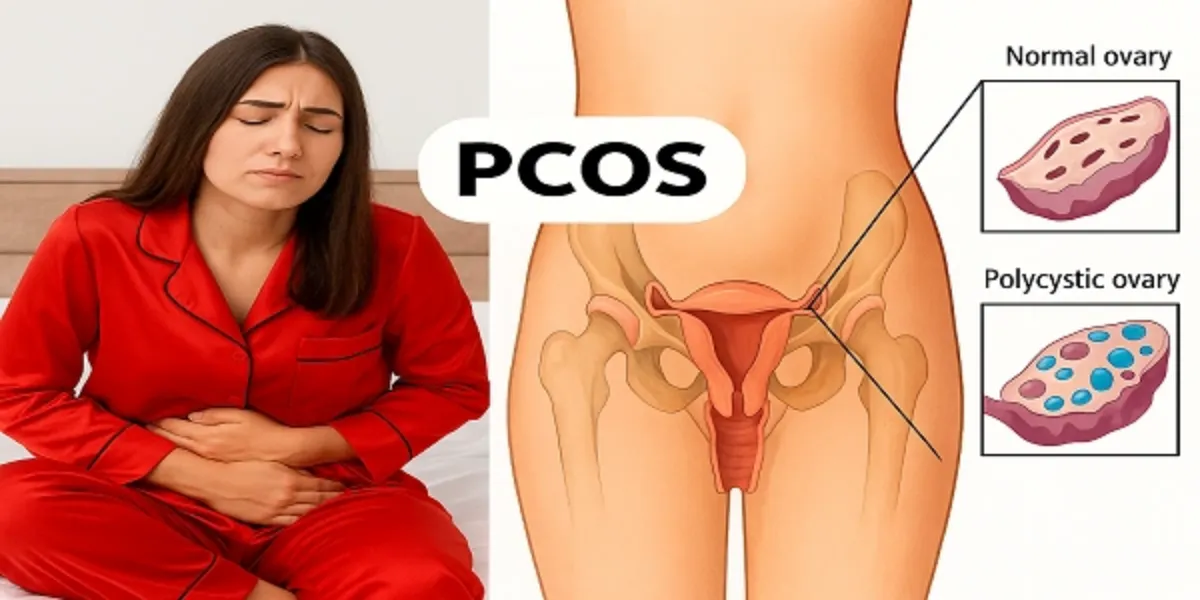
Polycystic Ovary Syndrome is a hormonal disorder where small cysts (lumps) are formed in the ovaries of women. Due to this, the eggs in the ovaries are not able to develop completely, and ovulation does not happen properly, leading to irregular periods and difficulty in conceiving.
The condition significantly disrupts hormonal balance, affects menstrual cycles, and may increase the risk of reproductive organ cancer. This syndrome is also one of the leading causes of infertility and can also raise the risk of diabetes.
3. Key Causes of the Syndrome
The exact cause of Polycystic Ovary Syndrome is unknown, but several key factors are linked to it:
3.1 Insulin Resistance
Excess insulin leads to higher androgen levels and may disrupt ovulation.
3.2 Hormonal Imbalance
Imbalances in LH and FSH hormones can impair egg development.
3.3 Family History
Genetics may play a role; the issue often runs in families.
3.4 Stress and Poor Lifestyle
Lack of sleep, unhealthy diet, obesity, and inactivity can increase the risk of developing the condition.
4. Common Symptoms
Symptoms can vary but commonly include:
- Irregular or missed periods
- Excess acne and oily skin
- Hair growth on face, chest, or back
- Hair thinning or baldness
- Weight gain, especially around the stomach
- Mood swings and fatigue
- Difficulty in getting pregnant
5. Early Signs in Teenage Girls
Teenage girls today are increasingly diagnosed with the syndrome due to stress, poor diet, and inactivity. Signs to look out for include:
- Delayed or irregular periods
- Severe acne
- Unwanted facial hair
- Sudden weight gain
- Emotional imbalance
Early detection in teens is critical for better long-term health.
6. Difference Between PCOS and PCOD
- PCOD (Polycystic Ovarian Disease): Less severe, eggs are released, fewer long-term complications.
- The syndrome: More serious, with cyst formation and hormonal imbalance, affecting fertility and increasing metabolic risk.
Both need treatment, but this condition requires stricter, long-term management.
7. The Condition and Pregnancy: Is It Still Possible?
The syndrome can make conception difficult, but pregnancy is not impossible. With proper medical guidance and lifestyle changes, many women successfully conceive.
Doctors may recommend ovulation-inducing drugs, hormone therapy, or IVF. Weight loss and insulin control also improve fertility.
8. Diagnosis
If symptoms persist, consult a doctor. Diagnostic methods include:
- Ultrasound: Detects ovarian cysts
- Blood Tests: Checks hormone levels like LH, FSH, and testosterone
- Insulin & Glucose Tests: Checks for diabetes risk
9. Potential Long-Term Risks
If untreated, the issue can lead to:
- Infertility
- Type 2 diabetes
- High blood pressure
- Heart disease
- Endometrial cancer
- Depression and anxiety
10. Mental Health and PCOS Connection
The hormonal imbalance inherent in the issue often leads to emotional challenges like anxiety, depression, and mood swings.
Practices like journaling, mindfulness, therapy, and support groups can greatly help improve mental health and reduce symptoms.
11. Management and Treatment
The condition has no permanent cure, but symptoms can be managed through:
11.1 Medications
- Hormonal pills (for regular periods)
- Metformin (for insulin resistance)
- Anti-androgens (for acne and hair growth)
11.2 Best Diet Plan for PCOS Women
Foods to Eat: Whole grains, leafy vegetables, lean protein, berries, omega-3s
Foods to Avoid: Refined sugar, processed food, fried items, high-dairy intake
Maintaining stable blood sugar is crucial for managing the issue.
11.3 Weight Control
Even a 5–10% reduction in weight improves ovulation and hormonal balance.
12. Effective Home Remedies
Natural remedies that can help manage symptoms:
- Fenugreek seeds: Improves insulin sensitivity
- Cinnamon: Boosts metabolism
- Ashwagandha: Reduces stress
- Aloe vera juice: Balances hormones
- Green tea: Rich in antioxidants, supports weight loss
13. Natural Supplements
Some supplements are known to improve hormonal health:
Inositol (Myo & D-Chiro) – Supports ovulation
Omega-3 fatty acids – reduces inflammation
Vitamin D – Hormonal balance
Zinc – Controls acne and hair fall
Consult a doctor before taking any supplement.
14. Weight Loss Tips That Actually Work
- Eat smaller, balanced meals
- Drink water before meals
- Cut sugar and processed carbs
- Exercise regularly
- Sleep 7–8 hours daily
- Be consistent and avoid crash diets
15. Can PCOS Be Cured Completely?
There is no 100% cure, but the symptoms can be reversed in many women through diet, exercise, and hormone regulation. Early and consistent action is key.
16. Exercise Routine for PCOS Relief
Weekly workout routine to manage the condition:
- Monday: Brisk walk + stretch
- Tuesday: Yoga (Setubandhasana, Surya Namaskar)
- Wednesday: Strength training
- Thursday: Rest
- Friday: Dance or cycling
- Saturday: Resistance band training
- Sunday: Meditation + light yoga
17. Myths vs Reality Related to PCOS
- Only overweight women get the condition
Thin women can have the condition too. - The only symptom is irregular periods
It causes acne, hair issues, weight gain, and infertility - It has no treatment
It can be managed with the right plan - You can’t get pregnant with the syndrome
Pregnancy is possible with treatment
18. When to See a Gynecologist for PCOS
Consult a doctor if you notice:
- Missed or irregular periods
- Excess facial hair or acne
- Sudden weight gain
- Difficulty in conceiving
- Mental health challenges
Early diagnosis leads to better results.
19. Conclusion
The syndrome is a common, serious, and complex syndrome. However, with the right awareness, early diagnosis, healthy diet, physical activity, and medical care, it can be effectively managed.
If you or someone you know is struggling with this issue, don’t ignore the symptoms. Share this article to raise awareness and support women’s health.
Are you also suffering from Polycystic Ovary Syndrome? Do share your experiences and questions in the comments below.
For more details, you can visit trusted medical sources like Mayo Clinic or Healthline.
Share this guide to empower others on their health journey
Read More—Acne and Pimples: Causes, Home Remedies, Medical Treatments & Prevention Tips