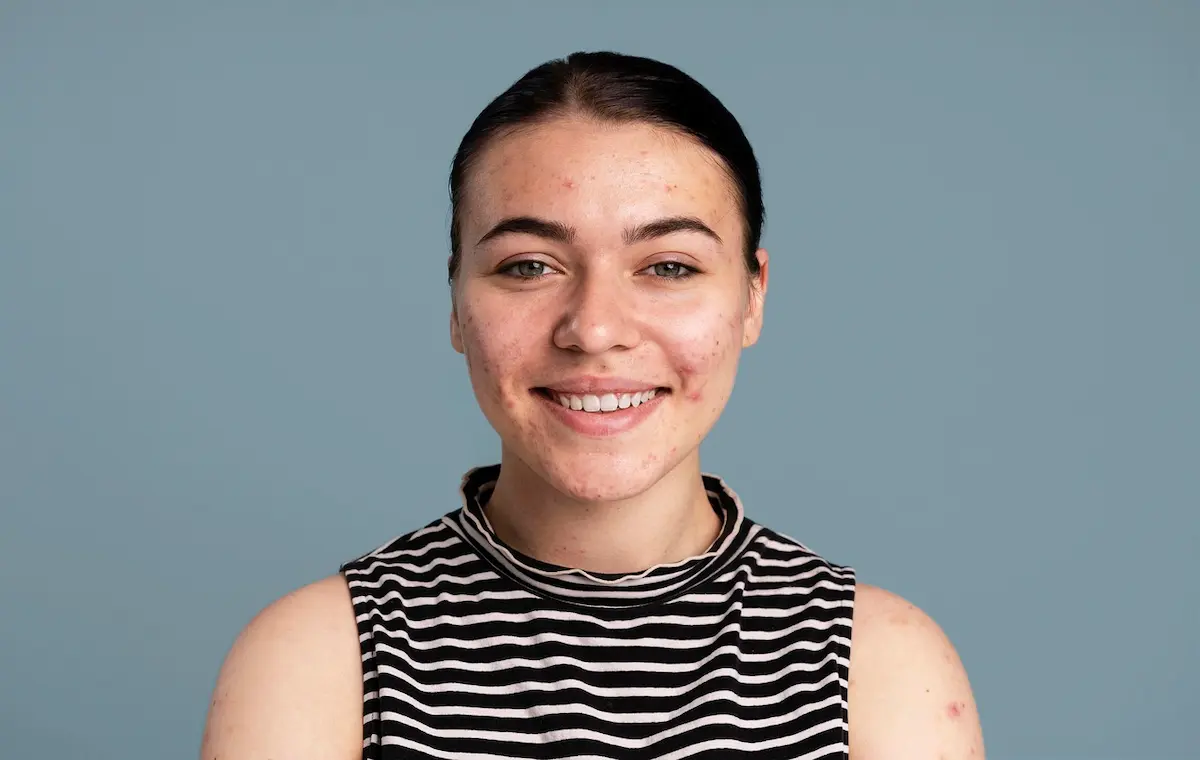
Acne and pimples are universal skin concerns, affecting both teenagers and adults. The primary culprits behind these breakouts are consistent: excess oil (sebum) production, the buildup of dead skin cells, bacterial infection, and hormonal imbalance.
Pimples are small, inflamed bumps that appear on the skin, often accompanied by swelling and redness. These breakouts typically occur on the face, chest, shoulders, and upper back. This comprehensive guide is tailored to explore the best teen acne solutions, covering everything from powerful dermatologist-approved treatments to simple, effective natural remedies.
Understanding Pimples: Causes and Treatment Options
Pimples are a common skin problem that occurs when the oil glands of your skin become blocked, inflamed, or infected with acne-causing bacteria. They are one of the signs of acne and can come in a variety of shapes and sizes, including blackheads, whiteheads, cysts, and others. Pimples can be treated with home remedies, over-the-counter products, or even prescription medications depending on their severity.
Defining Acne: Symptoms, Causes, and Solutions
Acne is a skin condition that occurs when your hair follicles become clogged with oil and dead skin cells. This leads to whiteheads, blackheads, or pimples. Acne affects people of all ages, but teenagers are most likely to get it.
Medical Treatments: “ Acne and Pimples—According to the American Academy of Dermatology, acne is one of the most common skin conditions in the U.S.”
There are acne treatments that work, but acne can stay.Pimples and acne tend to heal slowly, and there is a tendency for one of them to appear when one of them starts to go away, another one appears.
Depending on its severity, acne can cause emotional distress and leave scars on the skin. The likelihood of having such issues diminishes the sooner you begin treatment.
6 Key Reasons for Teen Breakouts
1. Hormonal changes
During puberty, teens experience a rise in androgen hormones, which stimulates the sebaceous glands to produce excess oil (sebum). This oil clogs the pores, leading to acne. For teen girls, menstruation and hormonal fluctuations can also trigger acne.
2. Diet
Several studies suggest that high intake of sweet foods, dairy products, fast food, and food with a high glycemic index can aggravate acne. Sodas and energy drinks further increase blood sugar levels, which increases oil production.
3. Stress
Academic pressure, social media anxiety, and peer pressure often increase cortisol levels in teens, leading to hormonal imbalances and acne.
4. Improper skincare routine
Teenagers sometimes over-wash their face, use harsh scrubs, or wear heavy makeup that clogs pores. Using products not suitable for oily or acne-prone skin makes the condition worse.
5. Genetics
If one or both parents had acne, teens are more likely to develop it. Genetics can influence skin type, oil production, and inflammation levels.
6. Blue light exposure
Constant exposure to screens (smartphones, tablets, laptops) can increase oxidative stress on the skin, potentially increasing inflammation and acne
Acne vs. Pimples – What’s the Difference?
Acne is the underlying skin condition, a chronic disease that occurs when hair follicles get clogged with oil and dead skin cells. Pimples (like whiteheads, blackheads, and pustules) are just one of the symptoms or types of breakouts that result from the acne condition. In simple terms, all pimples are a sign of acne, but acne involves a wider range of symptoms (like cysts and nodules).
Different Types of Acne and Pimple Explained
- Whiteheads (White Acne)
- Blackheads (Black Acne)
- Papules (Small swollen pimples)
- Pustules (Pus filled pimples)
- Nodules (Deep and painful pimples)
- Cystic Acne (a severe condition characterized by pus-filled pimples)
Signs and Symptoms of Acne and Pimple Outbreaks
- Pimples or boils on face, back, neck and chest
- Pain or burning
- Redness or swelling on the skin
- Scars or blemishes
Best Treatment Options in the US (2025)
Topical Treatments:
- Benzoyl Peroxide (Clean & Clear, Neutrogena)
- Salicylic Acid (CeraVe, Paula’s Choice)
- Adapalene (Differin OTC)
Prescription Treatments:
- Oral Antibiotics: Doxycycline, Minocycline
- Hormonal Pills: Birth Control (for females)
- Spironolactone (for females with hormonal acne)
- Isotretinoin (Accutane) – under dermatologist supervision
Prescription Acne Medications for Teens
Dermatologists may prescribe some of the best acne medications such as doxycycline, minocycline, and isotretinoin (Accutane) for severe cases. These are proven treatments but require close supervision.
Advanced Procedures:
- Laser Therapy
- LED Light Therapy (FDA approved devices: Tria, Foreo Espada)
- Chemical Peels
- Extraction (done by dermatologists)
Daily Skincare Routine for Clear Teen Skin
| Step | Product Example |
|---|---|
| Cleanser | CeraVe Foaming Cleanser |
| Toner | The Ordinary Glycolic Toner |
| Serum | Paula’s Choice Salicylic Acid 2% |
| Moisturizer | Neutrogena Hydro Boost, La Roche-Posay |
| Sunscreen | EltaMD UV Clear SPF 46 |
Choosing the Best Cleanser for Acne-Prone Skin
For teens struggling with acne, using a gentle but effective cleanser is key. The best face wash for acne often contains ingredients like salicylic acid or benzoyl peroxide. Top picks include CeraVe Foaming Cleanser and Neutrogena Oil-Free Acne Wash.
Natural Home Remedies for Calming Breakouts
These simple, natural solutions can help reduce redness, swelling, and inflammation within hours if used correctly.
- Tea Tree Oil (The Body Shop, Amazon)
- Aloe Vera Gel (Fresh or Aloe Vera Gel 99%)
- Honey + Cinnamon Mask
- Ice Compress (reduce swelling)
1. Multani Mitti Face Pack
Mix rose water in Multani Mitti and apply it on the face and leave it for some time, then wash it after it dries.
2. Neem Paste
Neem is considered a very good remedy for everything, so grind neem leaves and make a paste and apply it on pimples.
3. Aloe Vera Gel
Nowadays everyone has an aloe vera plant in their homes. So apply fresh aloe vera gel directly on pimples. It reduces inflammation.
4. Honey and Cinnamon Mask
Apply honey and cinnamon powder to the face and rinse after 10 to 15 minutes.
5. Ice Cubes
Wrap ice cubes in a cloth and apply it on pimples. It reduces swelling.
6. How to Reduce Pimples Overnight
While results vary by skin type, applying tea tree oil, an ice pack, or a honey + cinnamon spot treatment before bed can help reduce immediate swelling. These are simple overnight solutions often recommended by natural skincare experts.
Advanced Dermatologist-Approved Procedures
- Topical Creams: Benzoyl peroxide, Retinoids, Clindamycin
- Oral Medications: Antibiotics, Hormonal Pills
- Chemical Peels
- Laser Therapy
- Extraction Procedures (by dermatologist)
Key Diet Tips to Prevent Breakouts
- Eat fresh fruits and vegetables every day.
- Avoid junk food, chocolate and dairy as much as possible.
- Drink plenty of water, at least 4-5 liters a day.
- Include green leafy vegetables in your diet
- Reduce the amount of sugar and carbohydrates
Acne Skincare Tips from Celebrities & Influencers
Kylie Jenner: Consistent skincare routine.
Zendaya: Never sleeps with makeup.
Dermatologists recommend fragrance-free products
Acne and Pimples – Common Myths vs Facts
Myth: Eating chocolate causes pimples.
Fact: There is no direct relation, but eating too much sugar can cause pimples.
Myth: Washing face frequently is beneficial.
Fact: Washing too often makes the skin dry and produces more oil.
Myth: Only teenagers get pimples.
Fact: Adults can also get pimples due to hormonal changes.
Acne Prevention Tips for Teen Boys and Girls
- Wash your face at least twice a day
- Don’t pick or pop pimples.
- Excessive exposure to the skin can cause pimples.
- Do not touch your skin too much
- Remove makeup before sleeping at night
- Use products according to your skin type
How to Treat Acne Scars Effectively
- Vitamin C Serum (SkinCeuticals, TruSkin)
- Chemical Peeling
- Microdermabrasion
- Laser Treatment by a Dermatologist
Acne and Pimple Prevention Tips for Teens
- Change pillow covers regularly
- Keep your mobile screen clean
- Do not touch your face frequently
- Have a healthy diet and get enough sleep
Foods and Drinks to Avoid for Acne-Prone Skin
Healthcare providers and researchers once believed that certain foods could contribute to pimple development, especially diets high in skimmed milk, whey protein and sugar, chocolate, etc. However, this may not be true. The connection between acne and diet is unclear.
However, certain vitamins may aid in the prevention of pimples by promoting healthy skin. What your diet includes:
Vitamin A: Vitamin A can be found in a variety of foods, including tomatoes, orange and yellow vegetables, fish, liver, leafy green vegetables, and other fruits and vegetables.
Vitamin D: Good sources of vitamin D include fatty fish (mackerel, salmon, trout and tuna) and vitamin-fortified foods, including dairy and nondairy milk, breakfast cereals and orange juice.
Vitamin E: Nuts, seeds, leafy green vegetables, and vegetable oils are all good sources of vitamin E.
Acne and Pimple – Frequently Asked Questions
Q: What is the best acne treatment for teenagers?
A: Benzoyl peroxide, salicylic acid, adapalene (Differin), and a proper skincare routine.
Q: Does diet affect acne?
A: High sugar, dairy, and processed food may trigger acne flare-ups.
Q: When to see a dermatologist?
A: If acne is moderate-to-severe or causing emotional distress.
Q: Can acne leave permanent scars?
A: Yes, especially if not treated early.
Final Thoughts
Clear Skin is Possible Acne is a common challenge, but so are the solutions available. The key to clear skin is having the right information, maintaining a consistent care routine, and practicing patience. If your condition is severe, causing emotional distress, or doesn’t improve with over-the-counter and home remedies, it is crucial to consult a dermatologist for a professional diagnosis and the most effective treatment plan.
Read More->Amazing Benefits of Drinking Warm Lemon Water in the Morning