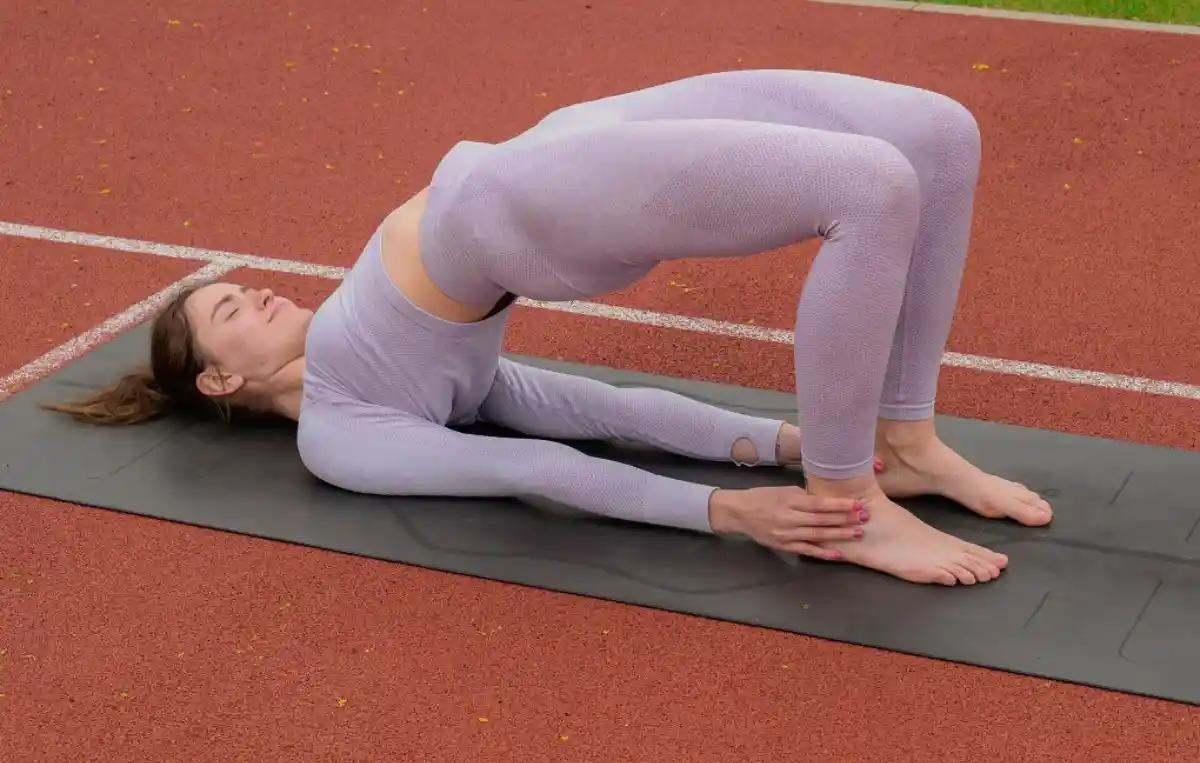
The morning is the most crucial time of the day, setting the tone for everything that follows. When used wisely, it can ensure your body is healthy and your mind is filled with energy and clarity. Incorporating habits like yoga and stretching into your routine is one of the most powerful ways to boost your health, mental focus, and productivity for the entire day—provided you overcome morning laziness and start right.
In this comprehensive guide, we will explore how you can effectively start your day with a morning routine focused on movement. We will cover the essential poses (asanas), specific exercises, and the profound benefits of how regular practice can truly transform your life.
1. Establishing Your Morning Wellness Routine
A consistent morning wellness routine that includes yoga and stretching helps establish physical and mental balance. This habit energizes the body, sharpens focus, and promotes long-term health and discipline.

Physical health: Waking up in the morning and doing a little exercise reduces stiffness in our muscles, improves blood circulation, and also energizes the body.
Mental calmness : Deep breathing during yoga and stretching reduces stress, calms the mind, and also increases mental concentration.
Energy and Productivity: When you adopt a proper morning routine, your energy levels stabilize throughout the day. This enhanced vitality not only helps you concentrate better on work and reduces afternoon fatigue but also significantly strengthens your overall immunity, keeping many common ailments at bay.
2. Yoga Benefits for Busy Professionals in the USA
Morning yoga offers a tranquil and focused start to the day in the fast-paced American workplace culture of today. With tight schedules, deadlines, and long commutes, many professionals experience burnout. A short yoga session in the morning helps improve mental clarity, increase energy levels, and promote emotional balance, making it easier to cope with daily challenges at work or home.
3. Creating a Comfortable Home Yoga and Stretching Space
Due to their busy schedules or limited access to a studio, many Americans prefer to practice yoga at home. Designating a peaceful corner with a yoga mat, calm music, dim lighting, and minimal distractions can help create a consistent and enjoyable practice. Even on busy mornings, sticking to your routine is easier in a dedicated space.
4. Managing Stress Through Mindful Movement and Yoga
The modern lifestyle often means long working hours, constant digital device use, and high-pressure environments. Movement practices like yoga offer a natural, effective antidote to chronic stress. Regular practice is essential for overall mental wellness because it helps balance your mood, promotes deep relaxation, lowers the stress hormone cortisol, and significantly reduces anxiety.
If stress is overwhelming, incorporating simple yoga for stress relief is key. The combination of gentle stretching, deep breathing (Pranayama), and meditation works powerfully together to calm your nervous system and significantly reduce anxiety.
5. The Ancient Science of Wellness: Yoga and Movement
The process of yoga is a thousands-of-years-old practice that balances our physical, mental, and spiritual health. Yoga cannot be considered only as an exercise, but it is a method of living life from nature that gives us peace, balance, and health.
What is Yoga and Stretching?
Main Parts of Yoga
Yoga and stretching offer many benefits for flexibility, stress reduction, and overall health. According to Harvard Health, practicing yoga regularly can improve your physical and mental well-being. Incorporating these simple daily exercises into your routine is a great way to start your journey toward a healthier life.
Postures: Asanas that stretch and strengthen various parts of the body.
Pranayama (breathing techniques): To provide peace to the mind and body by controlling the breath.
Meditation: To stabilize and focus the mind.
The biggest advantage of doing yoga in the morning is that the day starts with positive and healthy energy.
6. Stretching: The key to awakening the body
Stretching is an easy and effective way to make muscles flexible. Retained in the morning, it eliminates stiffness and fatigue of the body, increases blood circulation, and makes the muscles ready for the hard work of the day.
Benefits of stretching
- Increasing muscle flexibility
- Better nutrition and oxygen flow
- Better posture and balance
- Reducing the chance of injury
7. Easy Morning Asanas for Beginners
The best yoga poses for beginners are simple, low-impact, and highly effective. These poses, when integrated into a morning movement routine, build a strong foundation and help improve balance, breathing, and flexibility.
4.1 Tadasana (Mountain Pose)
- Stand straight; keep the feet together.
- Raise both hands and breathe deeply.
- Stay in this position for 30-40 seconds.
4.2 Bhujangasana (Cobra Pose)
- Lie down on your stomach, and place your palms under your shoulders.
- Lift upwards while breathing
- Stay in this position for 25-30 seconds.
4.3 Vrikshasana (Tree Pose)
- Stand on one leg and place the other leg near your knee.
- Raise your hands up.
- Maintain balance for 20-30 seconds.
4.4 Vajrasana (Thunderbolt Pose)
- Sit on your knees, keeping your feet flat behind you.
- Keep your hands on your thighs.
- Stay in this position for 1-2 minutes.
4.5 Padmasana (Lotus Pose)
- Sit with your legs crossed.
- Keep your back straight and take deep, long breaths.
- A suitable posture for meditation.
8. Essential Morning Stretching Exercises
nclude a consistent daily stretching routine in your mornings. When paired with yoga practice, it activates your muscles, improves posture, and sets a positive tone for the rest of the day:nclude a consistent daily stretching routine in your mornings. When paired with yoga practice, it activates your muscles, improves posture, and sets a positive tone for the rest of the day:
Neck stretch: Slowly turn the neck to the right and left.
Shoulder roll: Rotate the shoulders in a circular motion.
Back stretch: Raise your hands and slowly bend backwards.
Leg stretch: Straighten your legs and try to touch your toes. Keep trying daily.
Hip stretch: Bend the knee of one leg and place it on top of the other leg and slowly rotate the hips. By doing this, the belly fat slowly melts.
9. Yoga, Pranayama, and Meditation: Secrets of Morning Energy
Yoga breathing techniques like Anulom Vilom and Kapalbhati improve oxygen flow. Consistently incorporating these breathing exercises into your daily routine improves mindfulness, reducing chronic stress, and stabilizing your mental clarity throughout the day.
Some easy pranayama
Anulom-Vilom: Inhale and exhale through the nostrils one by one.
Kapalabhati: Exhale sharply and inhale slowly.
Bhramari: Make a sweet buzzing sound while exhaling.
Benefits of Meditation
- Increase mental calmness and concentration.
- Reduce stress and anxiety.
- Develop positive thinking.
- Increases thinking ability too.
10. Scientific Health Benefits of Yoga and Movement
One of the biggest benefits of consistent practice is improved flexibility and muscular strength. Regular practice of stretching and yoga poses reduces stiffness, enhances mobility, and lowers injury risk.
Scientific research has proved that yoga and stretching provide many health benefits:
Heart Health: Regular yoga keeps blood pressure under control and reduces the risk of heart disease.
Diabetes Control: Yoga improves blood sugar levels.
Weight Control: Yoga increases the body’s metabolism, which keeps weight under control.
Muscle Strength: Stretching and yoga make muscles strong and flexible.
Mental Health: Reduces stress, depression, and anxiety.
11. Best Time and Space for Your Daily Practice
Choosing the right time and place is very important for morning yoga and stretching.
Time: Early in the morning before or after sunrise.
Place: Open, clean, and quiet place where there are no distractions.
Clothing: Wear comfortable clothes that do not bind the body.
12. Tips for Your Daily Morning Routine
- Start slowly; if you are new, then start with 10-15 minutes.
- Do it every day at the same time so that it becomes a habit.
- Understand the limits of the body; do not push too much.
- If there is any pain or injury, consult an expert.
- Do not drink too much water, but stay lightly hydrated.
13. Right Diet and Lifestyle Alongside Your Practice
Yoga for weight loss at home, especially when combined with morning movement, boosts metabolism. Pairing a balanced breakfast with yoga for weight loss at home and daily exercise creates a holistic approach. A morning movement routine keeps your weight in check naturally.
A used properly is complete only when the right diet and lifestyle are adopted.
Light and nutritious breakfast: Food items like fruits, oats, porridge, nuts, and yogurt.
Adequate sleep: Good sleep keeps the body refreshed.
Stress-free life: Make a habit of reducing stress in life with yoga.
Positive thinking: Start the morning with positive thinking.
14. Common Mistakes to Avoid During Your Morning Practice
Many beginners make mistakes such as holding their breath, over-stretching, or performing asanas incorrectly. These mistakes can cause injury or reduce the benefits. Focus on proper breathing, listen to your body, and don’t rush into performing poses.
15. Maintaining Motivation for Your Routine
Consistency is key to experiencing the full benefits of yoga. Set realistic goals, track your progress, join a community or class, and remind yourself of the mental and physical benefits to stay motivated.
16. Adapting Your Routine for Different Fitness Levels
Whether you are a beginner, intermediate, or advanced practitioner, yoga and stretching can be adapted to your fitness level. Beginners should start slowly, while advanced practitioners can perform more challenging asanas..
17. The Role of Hydration in Mindful Movement
Proper hydration before and after your practice helps with muscle function and recovery. However, avoid drinking heavily immediately before yoga to avoid discomfort.
18. How Technology Can Aid Your Movement Practice
Using apps, online videos, or virtual classes can help you maintain your routine, learn new postures, and get guided instruction, especially if you don’t have access to a local class.
19. Frequently Asked Questions (FAQs)
Question 1: Are yoga and stretching safe for all ages?
Answer: Yes, with the right guidance and according to your ability, yoga and stretching are beneficial for all.
Question 2: How much time should one do yoga daily?
Answer: 15-30 minutes in the beginning, and gradually the time can be increased.
Question 3: Will stretching without yoga also be beneficial?
Answer: Yes, stretching also increases flexibility and strengthens muscles.
Question 4: Is it necessary to do yoga on an empty stomach in the morning?
Answer: Yes, doing yoga on an empty stomach in the morning activates the body quickly and improves digestion.
20. Conclusion: Your Final Thoughts on Daily Movement
Consistently incorporating mindful movement, whether it’s a full yoga practice or a simple stretching routine, is a transformative step. It not only ensures a healthy body but also significantly boosts your mental calmness, energy, and overall quality of life. It is truly the best way to ensure your day starts—and stays—positive and successful.
If you commit to this daily practice, you will quickly feel its profound benefits. So, don’t wait any longer. Make the conscious choice to begin your day with yoga and stretching, and step into a healthier, happier life today.
Read More-> Amazing Benefits of Drinking Warm Lemon Water in the Morning