Introduction
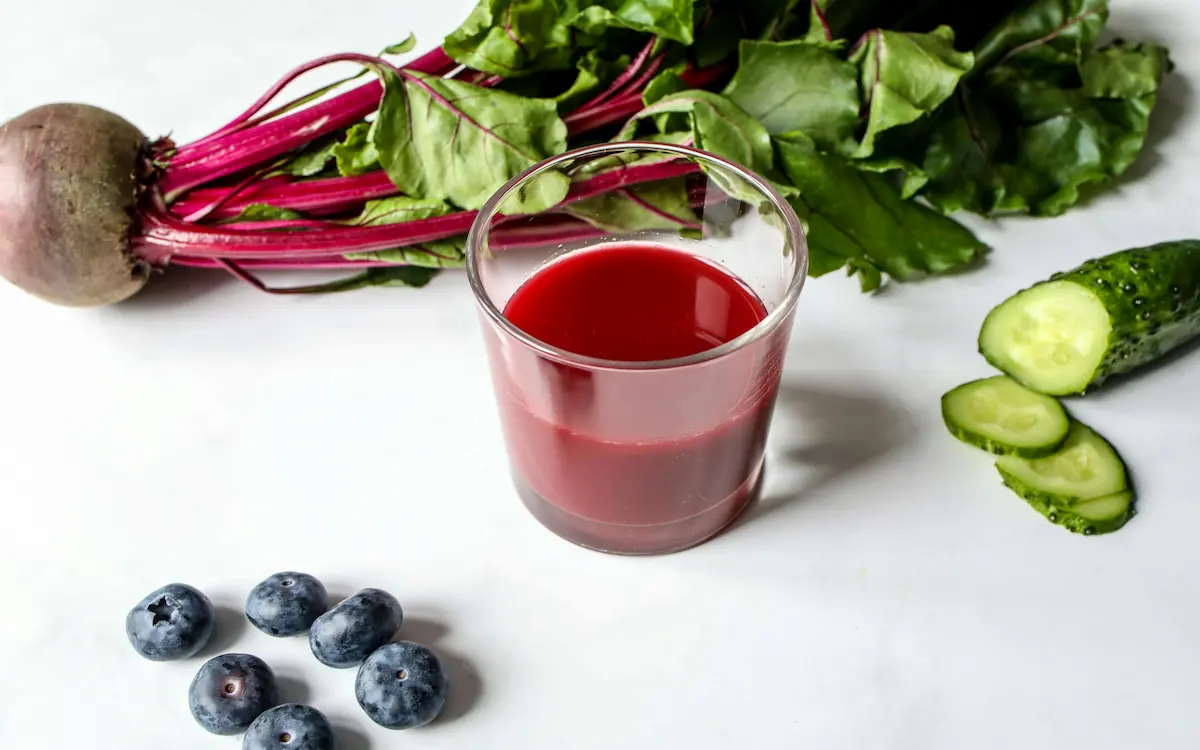
This vibrant red elixir is fast becoming popular from the sports field to the home kitchen. Not only is it delicious, but it is also packed with nutrients. The extract has gained immense popularity as a natural health booster. Packed with vitamins, minerals, and antioxidants, it is often referred to as a “super drink.” From boosting stamina to improving heart health, the benefits of this crimson juice go far beyond just hydration.
In this article, we will explore in detail what the health benefits of this super drink are, how it works, who should exercise caution, and how to consume it safely, and in this article, we will look at 11 impressive ways fresh beetroot drink can transform your health.
| Nutrient (per 100ml) | Amount | Daily Value (%) |
| Calories | 43 kcal | 2% |
| Potassium | 325 mg | 9% |
| Iron | 0.8 mg | 4% |
| Vitamin C | 4.9 mg | 8% |
| Nitrates | High | Energy Booster |
1. Beetroot Juice Supports Healthy Blood Pressure
Beets contain nitrates that are converted into nitric oxide in the body—this dilates blood vessels and improves blood flow. Many people have seen a gradual decrease in systolic and diastolic pressure by drinking beet juice regularly. If you are on blood pressure medication, consult a doctor before starting the juice—as the combination may lower BP too much. Study: Beetroot Juice and Blood Pressure
Also read: Healthy Recipes Indian Style: 15 Easy & Nutritious Meals
2. Boosts Stamina and Energy Levels
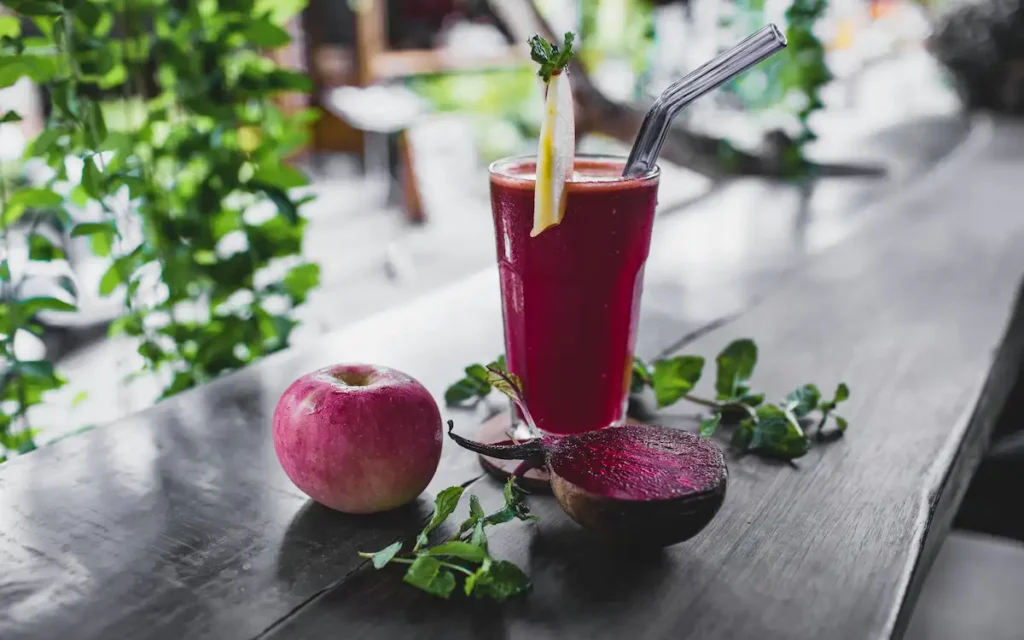
Sportsmen and gym-goers use beetroot juice as a pre-workout. Nitrates help muscles work better even in low oxygen by increasing the efficiency of mitochondria (energy production centers)—the result: fatigue lasts longer and exercise intensity increases.
3. Improves Muscle Power and Function
Better blood circulation and more oxygen reaching muscles impacts power and speed—especially during high-intensity exercise. Improved muscle function has also been reported in the elderly, which can make everyday tasks easier.
4. Weight Management benefits
This low-calorie drink is high in fiber (when consumed with whole root parts). It helps keep you full longer, reduces snacking, and improves your metabolic profile—which aids in weight control. However, packaged, bottled, or sweetened juices can add calories—avoid them.
5. Impact on Cholesterol and Heart Health
The fiber and antioxidants found in beetroot can help reduce LDL (bad) in the blood and increase the cardioprotective profile. Combined with a regular, balanced diet and exercise, it can be a helpful drink for heart health.
6. Supports Liver Detox and Function
Beets contain betaine and other compounds that support the liver’s detoxification processes. Betaine may help reduce fat deposits in the liver and promote cellular repair—improving liver function.
7. Beet Juice as a Source of Potassium & Minerals
These root vegetables are a powerhouse of minerals like potassium, magnesium, iron, and zinc. Potassium is essential for nerve function and muscle contraction; iron helps make blood—adequate levels of these elements maintain energy and overall health.
8. Beet juice and Folate for DNA & Pregnancy Health
Beets are also a source of folate (vitamin B9), which is essential for cell division and DNA repair. Getting enough folate during pregnancy reduces the risk of fetal neural-tube defects—but pregnant women should discuss the right amount with their doctor.
9. Research on anti-cancer properties
Beets contain pigments such as betalains and powerful antioxidants that may reduce inflammation and oxidative stress—which is why some lab-scale studies have shown effects of beet components on cancer-prone cells. But it’s important not to think of beet juice as a cure—it can be a supplemental dietary support, not a treatment substitute. Cancer patients should discuss any new supplements with an oncologist before taking them. Antioxidants in Beetroot and Cancer Research.
10. Beet Juice During Chemotherapy: Benefits & Precautions
Some patients experience increased oxidative stress and fatigue after chemo/radiation; powerful compounds in the juice may provide cellular support and aid energy recovery. But the effects of any supplement are individual-specific—so be sure to consult your medical team before adding it to your chemotherapy regimen.
Always consult your oncologist before adding any juice to your diet during chemotherapy.
11. Side Effects and Who Should Exercise Caution?
Beetroot juice is very beneficial for health, but remember that in large quantities it may not be right for everyone. Here’s all you need to know:
Beeturia (Pink/Red Urine): If your urine or stool turns red after eating beetroot, there is no need to panic. It is not a harmful condition; it is called “beeturia,” although if you suspect real blood, then immediately consult your nearest doctor.
Risk of Kidney Stones: Beetroot contains oxalate, which can cause kidney stones in sensitive people. If you have been suffering from oxalate-type stone disease for some reason, then its consumption should work.
Diabetes & Sugar Levels: Beetroot contains natural sugars. If you have diabetes, monitor your blood sugar levels closely and consult your nearest doctor about the safe daily dosage.
Low Blood Pressure (Hypotension): Since beetroot juice is highly effective at lowering blood pressure, people with naturally low BP or those on BP medication should consume it with caution.
Medication Interactions: Beets can interact with certain medications, especially those related to heart health or nitrates. Always seek medical advice if you are on long-term medication.
Smart Tip: Planning to use beetroot juice for weight management? Track your health goals instantly with our BMI Calculator—Check Your Body Mass Index Instantly.
FAQ
Q1. How much beetroot juice should I consume daily?
Ans: Generally 150–250 ml of fresh beetroot juice per day is considered safe. Start with small amounts initially and see how the body reacts.
Q2. Can I drink beetroot juice every day?
Ans: Yes, but keep it balanced—fresh and without too much sugar. It is good to have variety with a salad or regular fruits a few days a week.
Q3. Can people with diabetes consume it?
Ans: Can, but dosage and blood-sugar monitoring are important. A better option is to mix beetroot with apple/capsicum to reduce the sugar impact.
Q4. When is the best time?
Ans: Drinking it in the morning on an empty stomach or 30–60 minutes before a workout is beneficial—useful as a pre-workout for stamina.
Q5. Is packaged juice okay?
Ans: Fresh juice is better—packaged juices often contain pasteurization and added sugar, which can reduce some of the nutrients.
Medical Disclaimer
All information contained herein is for educational purposes only and is not intended to be a substitute for professional medical advice, diagnosis, or treatment. Beetroot juice can have a great effect on blood pressure and blood sugar levels. Always seek the advice of your physician or other qualified health care provider with any questions you have regarding a medical condition. Never ignore professional medical advice or delay taking it because of something you read on this website.
Takeaway —conclusion
The health benefits of beetroot juice are wide-ranging and impressive—including blood-pressure control, stamina boost, liver support, nutrients, and possible anti-cancer properties. But it’s not a magic cure; it’s safe and effective when used in the right amounts, with a balanced diet and medical advice. Start with small amounts, see how your body responds, and talk to your doctor if you have a serious illness or are taking medications.
Read More: Apple Cider Vinegar vs Lemon Water for Weight Loss: Which One Works Best?